







Episode Summary
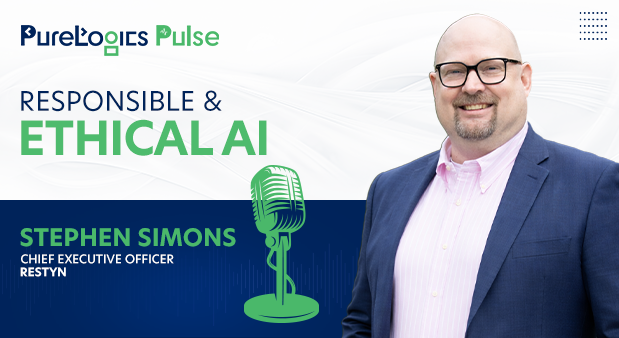
In this episode, host Mohsin Ali sits down with Stephen Simons, CEO of Restyn, to discuss the real-world challenges of responsible AI. Stephen draws on decades of experience to illustrate how technology evolution shapes workflows, business processes, and organizational culture.
They discuss why enterprises often misunderstand AI capabilities, the importance of human oversight, and how unchecked technical debt in AI systems can quickly become a strategic, operational, and reputational risk. Using analogies like “paint by numbers versus Da Vinci,” Stephen highlights the difference between functional AI systems and truly impactful and scalable solutions
Show Notes
- AI adoption is not just about technology; it requires aligning incentives, governance, and human accountability to ensure sustainable outcomes.
- Human oversight is critical. AI should serve as a force multiplier, augmenting human skill rather than replacing judgment or decision-making.
- Technical debt in AI systems can accumulate rapidly without oversight, creating organizational risks across operations, strategy, and reputation.
- Leaders must focus on clear use cases, clean data, and organizational readiness to maximize AI’s value while minimizing ethical and operational risks.
- Embedding responsibility and ethical practices from the start fosters trust, long-term ROI, and innovation that scales safely.